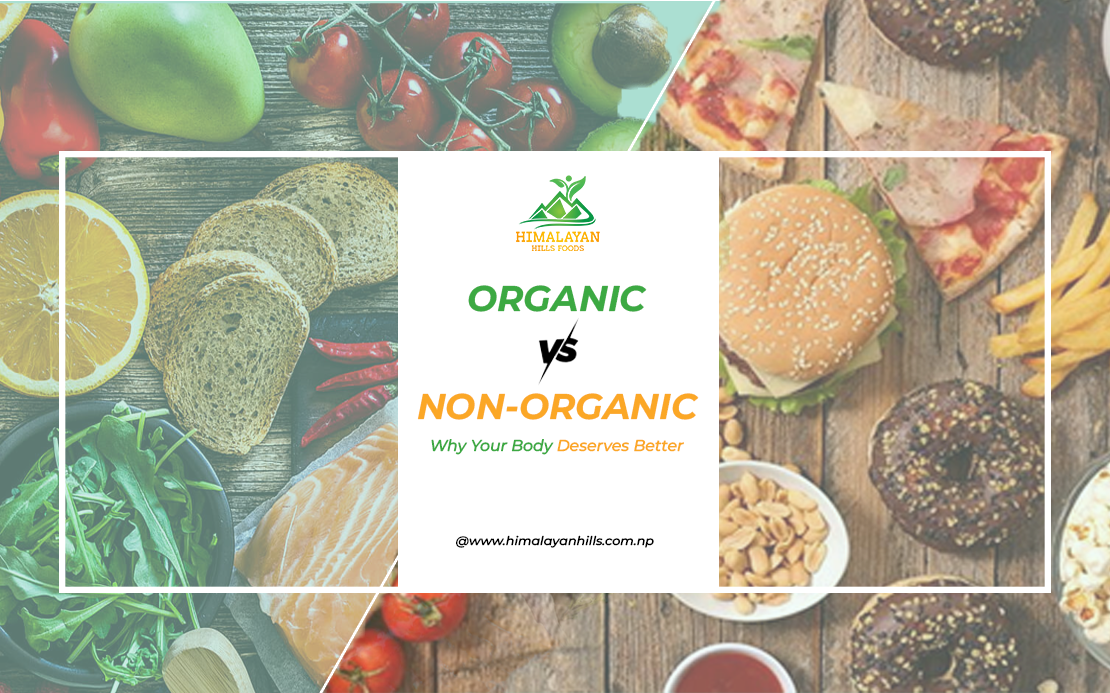
Organic vs Non-Organic: Why Your Body Deserves Better
Agriculture
In today’s fast-paced world, the choices we make about what we eat have never been more critical. With supermarket aisles packed with a growing range of food products labeled “organic” or “non-organic,” many of us are left wondering: what’s the real difference? More importantly, which one is better for your body?
At Himalayan Hills Food, we’re deeply passionate about promoting health and wellness through pure, natural ingredients.
This article explores the important differences between organic and non-organic food, helping you understand why organic nutrition is a superior choice for your body, the planet, and future generations.
Understanding Organic vs Non-Organic Food
What is Organic Food?
Organic food refers to food items that are grown and processed without the use of synthetic fertilizers, pesticides, genetically modified organisms (GMOs), artificial preservatives, and irradiation.
Instead, organic farming practices focus on sustainability, biodiversity, and soil and water conservation.
Organic certification bodies, such as USDA Organic or Nepal Organic Certification, ensure strict adherence to natural farming standards.
What is Non-Organic Food?
Non-organic, or conventionally grown food, is produced using modern industrial farming methods.
These typically involve synthetic chemical fertilizers, pesticides, herbicides, antibiotics in livestock, and genetically modified seeds. While these methods may boost yield and shelf life, they come at a cost to your health and the environment.
1. Nutritional Differences: Does Organic Mean Healthier?
Studies have shown that organic foods can have a higher nutritional value than their non-organic counterparts. According to a study published in the British Journal of Nutrition, organically grown crops have:
Up to 69% more antioxidants
Lower levels of toxic heavy metals like cadmium
Lower levels of nitrates
Antioxidants are crucial in fighting inflammation, boosting immunity, and protecting your body from diseases. In contrast, conventional produce might contain chemical residues that reduce the nutrient absorption capacity of your body.
At Himalayan Hills Food, our organically grown vegetables, grains, and spices are packed with natural nutrients, providing your body with clean, bioavailable energy.
2. Chemical Exposure: What Are You Eating?
One of the most significant differences between organic and non-organic foods lies in pesticide and chemical exposure. Non-organic produce often contains residues of pesticides, herbicides, and fungicides that can accumulate in your body over time. These chemicals have been linked to:
Hormonal imbalances
Neurological disorders
Reproductive issues
Increased cancer risk
Even after washing, many chemical residues remain. The Environmental Working Group (EWG) annually releases a “Dirty Dozen” list, produce with the highest pesticide content, and a “Clean Fifteen” list with the least. Organic food helps you avoid exposure to these harmful residues altogether.
Himalayan Hills Food ensures that our organic produce is grown in soil free from harmful chemicals, giving your body the chance to heal and thrive.
3. Better for Your Gut: Support Your Digestive Health
The gut is your body’s second brain. A healthy digestive system supports immune function, mental clarity, and overall well-being.
Organic food helps maintain a balanced gut microbiome by eliminating exposure to antibiotics and artificial additives.
In contrast, many non-organic animal products come from livestock raised with growth hormones and antibiotics. These substances can disrupt your gut flora and lead to long-term health complications.
4. Environmental Impact: Health Beyond the Plate
Choosing organic is not just about your body; it’s about the planet too. Organic farming:
Promotes biodiversity and healthy soil
Reduces water pollution
Lowers greenhouse gas emissions
Avoids contamination from GMOs and harmful pesticides
Conversely, conventional agriculture often leads to soil degradation, water contamination, and a decline in pollinator populations like bees and butterflies.
Himalayan Hills Food proudly supports sustainable farming practices that honor Nepal’s rich soil, water sources, and ecosystem.
5. Taste the Difference: Freshness You Can Feel
Ask anyone who regularly eats organic, organic food simply tastes better. It’s more flavorful, aromatic, and satisfying. Because organic crops are grown without synthetic enhancers, they retain their natural sugar, acidity, and aromatic compounds.
This superior taste isn't a coincidence, it’s the result of wholesome farming and nutrient-dense soil. At Himalayan Hills, we deliver fresh organic food directly from the farm to your kitchen, so you can enjoy food the way nature intended.
6. Avoid GMOs: Stay Close to Nature
Many non-organic foods are made with genetically modified organisms (GMOs). While the long-term health effects of GMO consumption are still debated, research suggests potential risks such as:
Allergic reactions
Antibiotic resistance
Disruption of gut flora
Organic certification prohibits the use of GMOs. Choosing organic means choosing food that’s genetically untouched, just as nature created it.
7. Support Local Farmers and Ethical Practices
Buying organic also supports local farming communities and ethical food production. Organic farms often operate on smaller scales, providing fair wages and promoting regenerative agricultural methods.
By purchasing from Himalayan Hills Food, you are directly investing in Nepal’s organic farming movement and empowering local farmers to continue their sustainable mission.
8. Protect Future Generations
The chemicals used in non-organic farming don’t disappear; they stay in the soil, air, and water. These toxins can harm wildlife and even reach unborn babies through maternal exposure.
By switching to organic food, you’re making a choice that helps protect future generations from environmental and health hazards.
9. Reduce Your Risk of Disease
Numerous studies indicate that organic food consumers may experience lower risks of:
Heart disease
Certain cancers
Allergies
Obesity
Type 2 diabetes
The cleaner, more balanced nutrient profile in organic foods plays a key role in preventive health, helping your body resist illness naturally.
10. A Lifestyle Worth Investing In
Though organic food may sometimes carry a slightly higher price tag, the long-term health benefits far outweigh the cost.
When you consider the price of medications, hospital bills, and chronic illness caused by poor nutrition and chemical exposure, organic food becomes an investment in a healthier, more vibrant life.
At Himalayan Hills Food, we’re committed to making organic food more accessible, affordable, and part of your everyday lifestyle.
Your Body Deserves the Best
Your body is your most valuable asset, and what you feed it matters. With organic food, you're not just avoiding harmful chemicals, you're embracing a cleaner, more ethical, and nourishing way of living.
From improved nutrition to environmental sustainability, the benefits of organic food are undeniable. At Himalayan Hills Food, we believe that every meal should fuel your body, mind, and spirit with pure, organic goodness from the Himalayas.
So next time you’re faced with the choice between organic and non-organic, ask yourself: Doesn’t your body deserve better?
Your cart (0 Items)
No Products in the Cart
Continue shoppingYour cart (2 Items)


Only $199.00 away from Free Shipping
Congrats! You are eligible for Free Shipping
Shipping:$10.00
Tax:$0.00
Total:$163.00


